
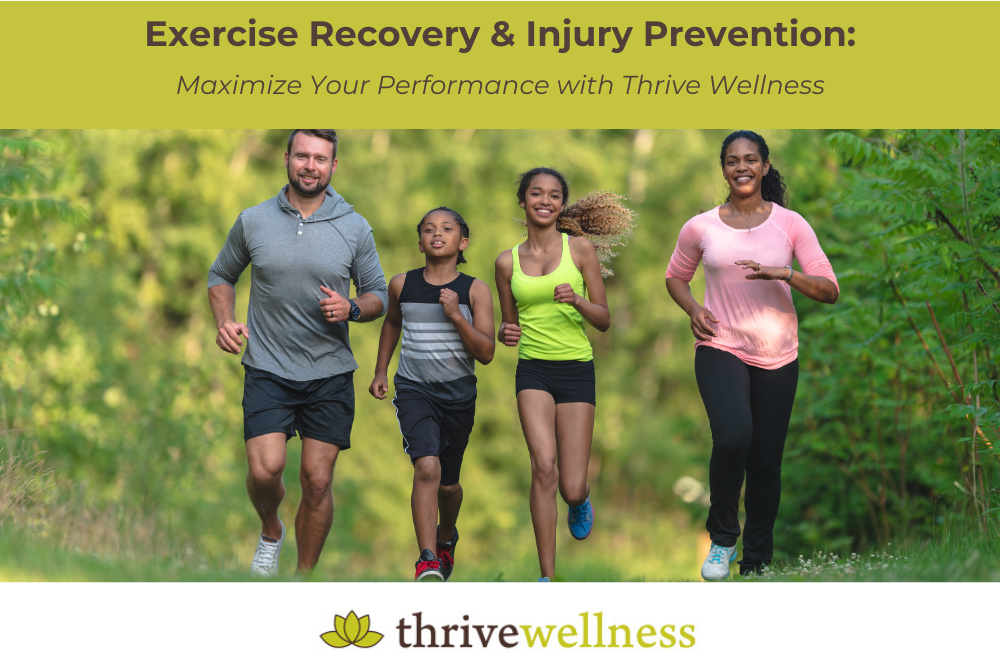
Whether you’re an athlete, fitness enthusiast, or someone committed to maintaining an active lifestyle, proper exercise recovery and injury prevention are essential for optimal performance and long-term well-being. At Thrive Wellness, we specialize in helping individuals recover faster, prevent injuries, and improve overall physical resilience through evidence-based strategies and advanced wellness solutions.
In this comprehensive guide, we’ll explore the best practices for post-exercise recovery, how to prevent injuries, and how Thrive Wellness can support your journey to peak physical health.
Why Is Exercise Recovery Important?
Exercise places stress on the body, leading to microscopic muscle damage, energy depletion, and inflammation. While this is a natural part of building strength and endurance, proper recovery is crucial for allowing muscles to repair and grow while reducing the risk of overuse injuries.
The Benefits of Proper Recovery
️ Reduces muscle soreness and fatigue
️ Promotes faster muscle repair and growth
️ Minimizes the risk of injuries
️ Enhances flexibility and mobility
️ Prevents burnout and overtraining
️ Supports mental well-being
Top Strategies for Exercise Recovery
1. Hydration & Nutrition
Hydrate properly: Drinking enough water before, during, and after exercise helps maintain muscle function, regulate temperature, and speed up recovery. Electrolyte-rich drinks, like LMN, can also replenish lost minerals.
Eat for recovery: Protein helps rebuild muscle fibers, while complex carbohydrates restore glycogen levels. Healthy fats and antioxidants reduce inflammation and support overall healing.
2. Stretching & Mobility Work
Post-exercise stretching keeps muscles flexible and reduces stiffness. Incorporating dynamic warm-ups before workouts and static stretching afterward can prevent strains and tightness.
Foam rolling and self-myofascial release can relieve muscle tension and improve blood circulation.
3. Active Recovery & Rest Days
Low-intensity movements such as walking, yoga, or swimming help maintain mobility without overloading muscles.
Scheduling rest days allows the body to rebuild and prevents chronic overuse injuries.
4. Sleep Optimization
Sleep is the body’s natural recovery mechanism. Aim for 7-9 hours of quality sleep to allow muscles to repair and hormone levels to balance.
5. Cold Therapy & Heat Therapy
Ice baths and cold compresses reduce inflammation, swelling, and soreness after intense workouts.
Heat therapy (such as sauna use or warm baths) relaxes muscles, improves circulation, and relieves stiffness.
6. Professional Recovery Services at Thrive Wellness
At Thrive Wellness, we offer cutting-edge recovery treatments, including:
️ Massage Therapy – Alleviates muscle tightness, improves circulation, and accelerates recovery.
️ Acupuncture – Corrects imbalances and relieves tension to prevent injuries.
️ Postural Therapy & Corrective Exercises – Customized rehabilitation programs to restore movement and prevent future issues.
️ Red Light Therapy – Uses red light to enhance circulation and flush out toxins.
Preventing Injuries: Train Smarter, Not Harder
While recovery is crucial, injury prevention starts before your workout begins. Here are some best practices to keep your body strong and resilient:
1. Warm-Up Before Every Workout
A proper warm-up prepares muscles, joints, and the cardiovascular system for activity. Try:
️ Dynamic stretching (leg swings, arm circles)
️ Light cardio (jump rope, brisk walking)
️ Mobility drills
2. Strengthen Supporting Muscles
Prevent injuries by strengthening weak or underused muscles. Focus on:
️ Core stability exercises to protect the spine
️ Balance and proprioception drills for joint stability
️ Cross-training to avoid repetitive strain injuries
3. Maintain Proper Form
Poor technique increases injury risk. Whether lifting weights, running, or doing yoga, correct posture and movement mechanics reduce unnecessary strain.
4. Listen to Your Body
️ Pain is a warning sign! Avoid pushing through pain, and if something feels off, take time to rest or seek professional guidance.
Comprehensive Q&A on Exercise Recovery & Injury Prevention
Q: How long should I rest between workouts?
A: It depends on the intensity and type of exercise. Strength training often requires 48 hours for muscle groups to recover, while low-impact activities like yoga or swimming can be done daily.
Q: What are the signs of overtraining?
A: Common symptoms include persistent soreness, fatigue, decreased performance, trouble sleeping, increased injuries, and mood swings. If you experience these, prioritize rest and recovery.
Q: Should I use heat or ice after a workout?
A: Cooling herbal balms are best for acute injuries and inflammation, while heat therapy helps relax tight muscles and increase circulation for chronic pain or stiffness.
Q: Can massage really help with exercise recovery?
A: Yes! Sports massage improves circulation, breaks up adhesions, reduces stiffness, and speeds up muscle repair.
Q: What are the best foods for post-workout recovery?
A: Protein-rich foods (chicken, fish, tofu, eggs), complex carbs (quinoa, sweet potatoes, whole grains), and healthy fats (avocados, nuts, olive oil) support muscle repair and reduce inflammation.
Q: How does Thrive Wellness help with injury prevention?
A: We take a holistic approach by offering personalized recovery plans, physical therapy, and sports rehabilitation to keep your body in peak condition.
Experience Next-Level Recovery at Thrive Wellness
At Thrive Wellness, our expert team is dedicated to helping you train smarter, recover faster, and prevent injuries with advanced recovery solutions and personalized care. Whether you’re looking to enhance performance, recover from an injury, or prevent future setbacks, we are here to support your journey.
Thrive Wellness
Visit us at: 5005 Texas Street, Suite 303, San Diego, CA 92108
Call us today: (619) 984-4317
Website: thrivewellness.com
Take charge of your recovery and performance today with Thrive Wellness!